

How to Source Premium Underfloor Heating Materials from Chinese Manufacturers
Energy-efficient heating systems are in high demand worldwide, and the components that make them work — insulation boards, pipe clips, staples, reflection sheets, and manifold accessories — are increasingly sourced from Chinese factories. A well-established manufacturer in China can offer competitive pricing, large-scale production capacity, and the technical flexibility to meet international standards. This guide covers the key considerations for sourcing underfloor heating materials from a Chinese supplier with confidence.
Why Buyers Choose Chinese Factories for Underfloor Heating Components
China's manufacturing base for construction materials has matured considerably. Chinese factories now operate advanced extrusion and injection moulding lines dedicated to underfloor heating systems, producing insulation boards, clip systems, and fastening hardware at scale. The cost advantage goes beyond labour to include bulk raw material sourcing, concentrated technical expertise, and streamlined supply chains. A manufacturer with eight or more years of focused experience in this niche brings process knowledge that newer entrants cannot replicate, and a product range that often surpasses what regional distributors can offer.
Key Criteria for Evaluating a Chinese Supplier
Due diligence separates a smooth procurement experience from a costly one. The first checkpoint is certifications. An ISO 9001:2015-certified manufacturer demonstrates a documented quality management system — consistent processes, traceable defect handling, and formal corrective action procedures. Beyond ISO, request product-specific test reports: thermal conductivity ratings for insulation boards, fire resistance classifications, and load-bearing data for pipe support components.
Production equipment tells its own story. Modern CNC-controlled extrusion lines and automated injection moulding machines produce components with tighter dimensional tolerances than older equipment. Ask whether the factory manufactures clip moulds and staple dies in-house or outsources them. In-house tooling capability signals that a factory can iterate on designs, correct tolerance issues quickly, and produce customised profiles without lengthy lead times. Always request samples and conduct independent testing before placing a full order.
Why Consistent Tolerances in Pipe Clips and Staples Matter
It is easy to treat fastening hardware as a commodity, but pipe clips and staples are load-bearing components that directly affect system integrity. In a hydronic underfloor heating loop, tubing is secured at regular intervals to insulation boards. If clip dimensions vary beyond acceptable tolerances, tubing may sit loosely, shift during screed pouring, or develop localised stress points that shorten service life. Loose clips can cause air pockets, reduce heating efficiency, and create cold spots in the floor.
Consistent tolerances ensure every clip engages the tubing securely and seats flush against the board surface, leading to faster installation, fewer call-backs, and a more uniform heating result. A factory that invests in precision tooling and performs in-process quality checks on every batch is worth a modest premium — the cost of clip replacements or repairs on a finished installation far outweighs the savings from buying cheaper, inconsistent hardware.
Minimum Order Quantities, Customization, and OEM Options
International buyers often assume Chinese factories demand prohibitively large minimum order quantities. While some high-volume producers do, many established manufacturers offer flexible MOQs that accommodate smaller distributors and pilot projects. A factory with eight years of experience serving export markets understands that buyers need flexibility during market entry or product testing phases. MOQs for standard components are often negotiable, especially for first-time orders with repeat-business potential.
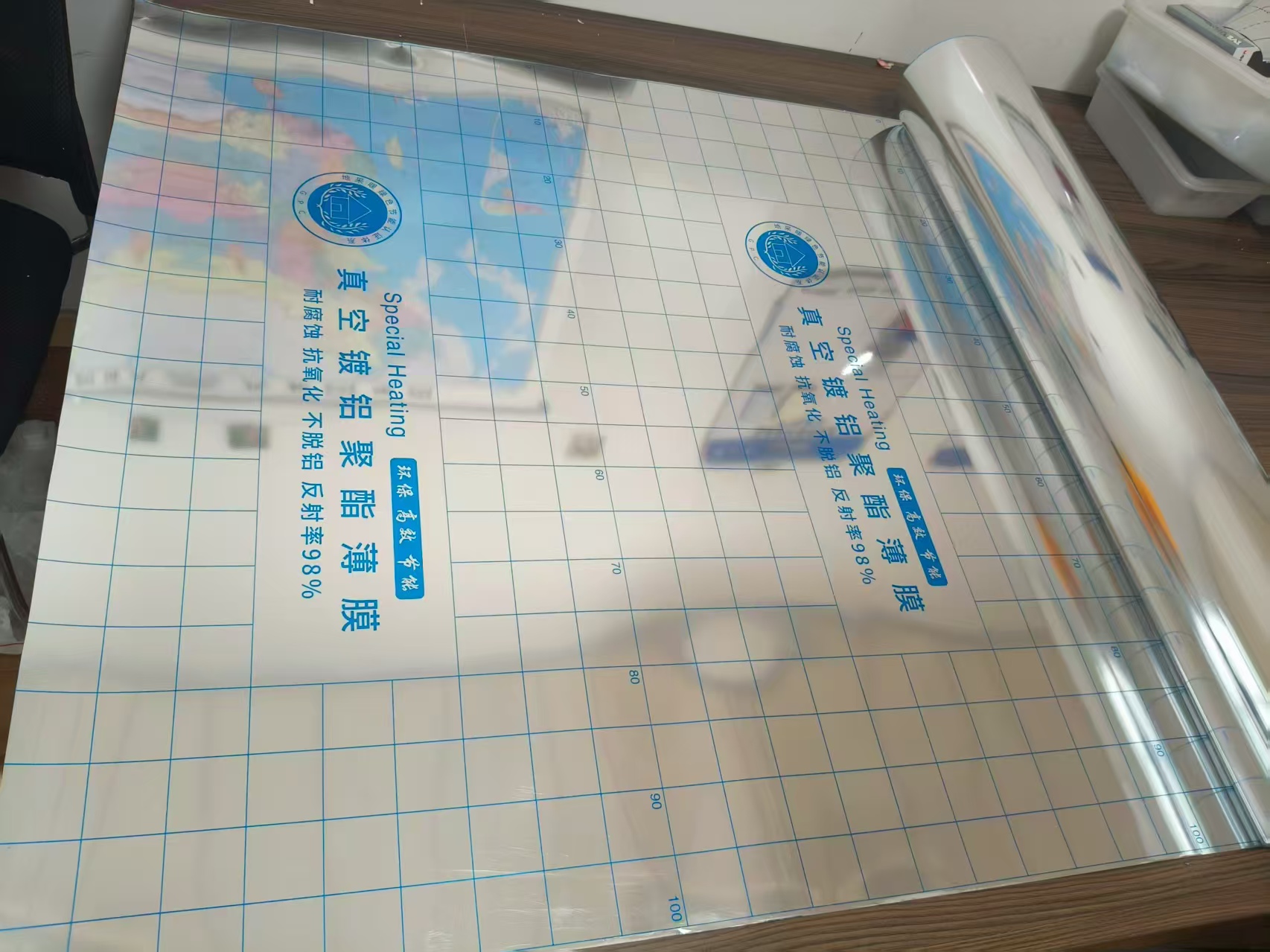
Customisation is another strength. Whether you need non-standard clip dimensions, branded packaging, custom-coloured reflection sheets, or composite insulation boards with specific R-values, a capable OEM/ODM supplier will work to your technical specifications. The OEM process starts with a technical consultation to confirm material grades, dimensional drawings, and performance targets, followed by prototype samples for approval before production runs begin.
How an Experienced Factory Handles OEM and ODM Orders
A factory with extensive OEM and ODM experience knows that international orders require more than manufacturing. They maintain dedicated export documentation teams, prepare detailed technical data packages, and coordinate with third-party inspection agencies when required. At production level, experienced manufacturers implement strict lot traceability — each batch carries a production date, machine number, and quality inspection record, enabling both parties to identify and correct issues without disrupting the entire order.
Communication protocols distinguish experienced exporters from novices. A mature factory assigns a dedicated account manager, provides regular production updates with photo or video evidence, and responds to technical queries within 24 hours. They comfortably work with international specifications, supply material safety data sheets, and accommodate third-party testing by agencies such as SGS or Bureau Veritas.
Shipping and Logistics for International Buyers
Even the best product loses value if it arrives damaged or weeks late, so logistics planning should begin at the order stage. Standard export packaging for insulation boards includes corner protectors, shrink wrapping, and palletisation to withstand containerised shipping. Pipe clips and staples are packed in sturdy cartons before palletisation.
Buyers should clarify Incoterms with their supplier upfront — FOB, CIF, or DDP terms determine who arranges shipping, customs clearance, and last-mile delivery. Most established manufacturers have trusted freight forwarder relationships and can recommend routes balancing cost and transit time. For full-container loads, sea freight is the most economical choice; for urgent reorders or smaller volumes, air freight or express courier may be appropriate. Standard lead time is four to six weeks for production plus two to six weeks for ocean freight to major European or North American ports.
References
ISO 9001:2015. Quality management systems — Requirements. International Organization for Standardization, Geneva.
UNCTAD. (2021). World Investment Report 2021: Investing in Sustainable Recovery. United Nations, New York and Geneva.