

Reflective Insulation Films for Underfloor Heating Systems Explained
Most of the heat from a floor heating system moves upward through the screed, but a meaningful share travels the other way. Without a reflective insulation film between the heating pipe and the subfloor, that downward heat is simply lost. Reflective insulation films are the thin, foil-faced layer that sits beneath heating pipes and sends radiant heat back where it belongs. This article looks at how they work, the types available, and what separates a dependable supplier from a cheap one.
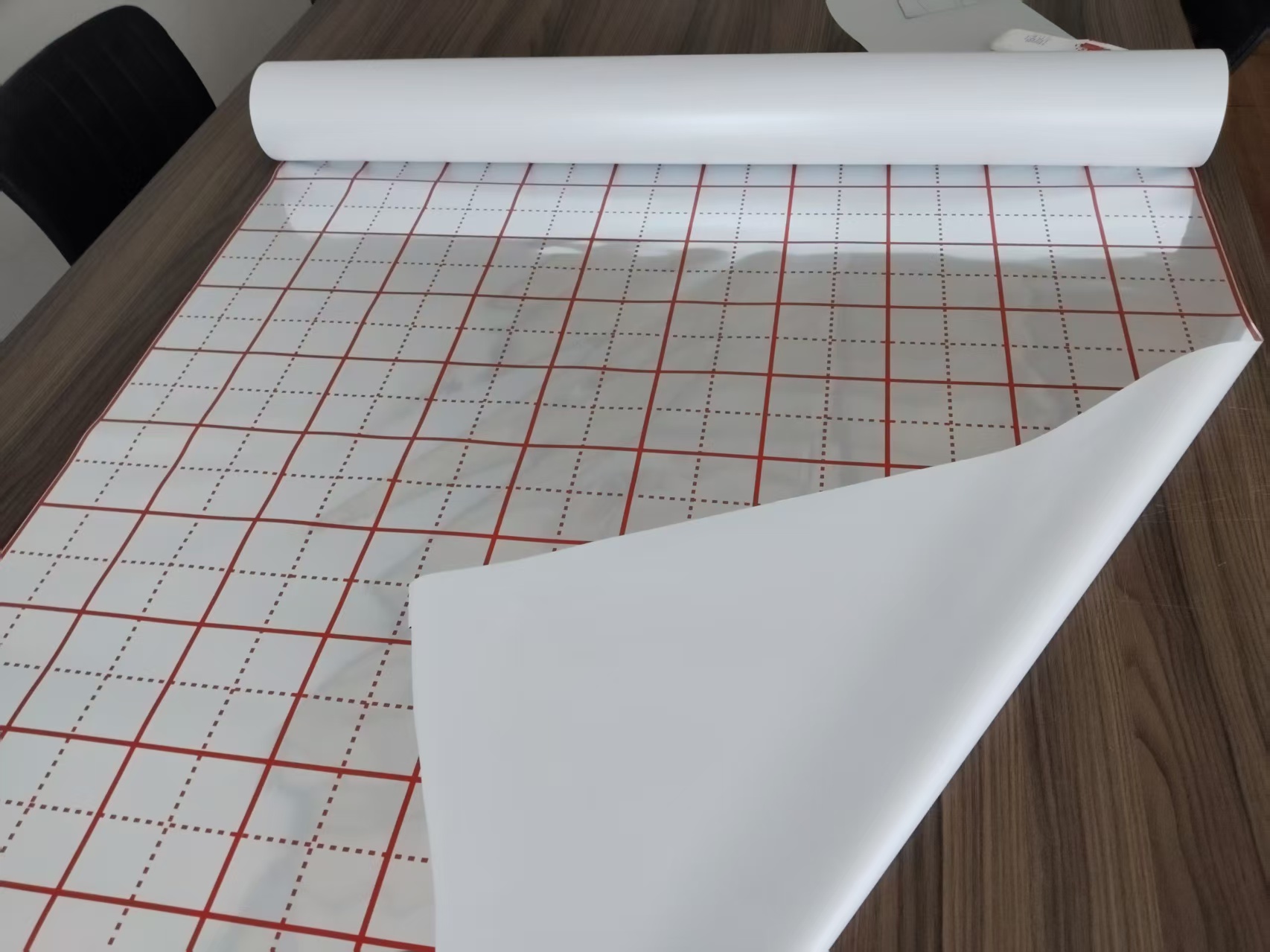
What reflective insulation actually does
Underfloor heating delivers heat in two forms: conduction through the floor build-up and radiation from the floor surface. The foil layer underneath the pipes reflects long-wave radiant heat back into the structure. Reflective insulation films do not stop heat by thickness the way foam does. They stop it by reflecting it. Pure aluminum with a clean, low-emissivity surface can send most of that downward radiant heat back toward the floor above, which is why the film is nearly always paired with a closed-cell foam carrier that handles the conductive part. The combined assembly, film plus foam, behaves as one insulation layer whose thermal resistance gets quoted as an R-value.
The main film types and what they cost
Four types dominate what Chinese factories supply today. Pure aluminum foil films laminate a solid aluminum sheet to a foam base or a plain carrier, and they remain the standard choice for wet screed systems. Vacuum metallized films deposit a microscopically thin layer of aluminum onto a polymer film. They are cheaper, lighter and more flexible than pure foil, but that thin metal layer scratches easily, so performance depends on careful handling. Mirror reflective films are polished to a high-gloss finish for maximum reflectivity. They are often sold on looks, so ask for the emissivity report before paying a premium. Oxygen barrier films add an EVOH layer that stops oxygen diffusing through the pipe wall into the heating water, protecting steel radiators and pump parts. They usually show up as a laminated top layer, not a stand-alone product.
R-values, and why they vary so much
R-value measures thermal resistance, and for a reflective film the figure depends on the cavity it faces, the emissivity of the surface and the direction of heat flow. The same film in an unventilated cavity gives a different result in a ventilated space. That is why EN 16012 exists: it defines how reflective insulation products are measured and declared, so buyers can compare on an equal footing. ASTM C518, the heat flow meter method, is the other standard Chinese manufacturers quote in their test reports. If a supplier quotes an R-value without naming the standard behind it, treat the number as marketing.
Why the film matters for system efficiency
Floor heating efficiency comes down to the water temperature the system has to run. Every degree lost downward means hotter flow temperatures, and hotter water means worse efficiency for a heat pump or condensing boiler. The reflective film cuts that downward loss, which lets the system run cooler and keeps room temperatures steadier. The savings show up in the energy bill over a season rather than in one dramatic number, but the direction is always the same: better downward insulation, lower running cost. On retrofit jobs the film is often the only insulation upgrade available when the subfloor cannot be dug out.
What to check before buying from a factory
Buying from a Chinese manufacturer works when the buyer runs the same checks they would run on any supplier. Start with the test report: a recognized laboratory result covering emissivity and thermal resistance under EN 16012 or ASTM C518. Ask for the aluminum layer thickness in writing and for incoming material certificates showing what the foil actually is. Question the foam base too, because density and thickness are where cheap products quietly cut corners. A factory with its own production line will answer those questions directly; a trading company will change the subject. Hebei Huinuanjia, a manufacturer of underfloor heating insulation materials in Hebei Province, runs its own lamination and slitting lines, so thickness tolerances stay consistent from batch to batch, a reliable base for export buyers.
Installation notes that matter
Lay the film foil side up, directly beneath the heating pipe, and tape every joint so moisture cannot creep between the sheets. In wet screed systems the film doubles as a vapour barrier, so a torn sheet matters more than it looks like it should. On ground floors the film goes over the damp-proof membrane; on upper floors the surface below needs to be level first. Fix the pipe without puncturing the foil more than necessary, and use edge insulation strips so heat cannot escape sideways into the wall. Keep the film clean too; foot traffic, cement splashes and long delays before screeding all reduce reflectivity.
References
BS EN ISO 6946:2017. Building components and building elements — Thermal resistance and thermal transmittance — Calculation method. BSI, London.
EN 1264-1:2021. Water based surface embedded heating and cooling systems — Part 1: Definitions and symbols. CEN, Brussels.
EN 16012:2012. Thermal insulation for buildings — Reflective insulation products — Determination of the declared thermal performance. CEN, Brussels.
ASTM C518-21. Standard Test Method for Steady-State Thermal Transmission Properties by Means of the Heat Flow Meter Apparatus. ASTM International, West Conshohocken.
ISO 9001:2015. Quality management systems — Requirements. International Organization for Standardization, Geneva.