

Types of Insulation Materials for Underfloor Heating Systems
Selecting appropriate insulation materials for underfloor heating applications involves understanding the distinct characteristics, performance attributes, and practical suitability of available product categories. The insulation layer beneath radiant floor heating systems serves a single fundamental purpose: preventing heat loss downward so that generated warmth flows upward into occupied spaces where comfort benefits are actually realized. However, achieving this goal requires matching material properties to specific project conditions including floor construction type, structural load requirements, moisture exposure potential, thermal performance targets, and budget constraints. Each insulation material category offers particular advantages and limitations that make it more or less suitable for different application contexts. This comprehensive comparison of insulation types helps architects, contractors, and property owners navigate the selection process with confidence, ensuring chosen materials deliver intended performance throughout the heating system lifecycle.
Expanded Polystyrene Insulation Boards
Expanded polystyrene, commonly known as EPS or beadboard, represents one of the most established and widely available insulation options for underfloor heating applications across global markets. Manufactured through expansion and fusion of polystyrene beads, this closed-cell foam material provides reliable thermal resistance while maintaining excellent dimensional stability and moisture resistance characteristics. EPS boards suitable for floor heating applications typically feature densities ranging from fifteen to thirty kilograms per cubic meter, with higher densities providing improved compressive strength alongside slightly enhanced thermal performance. The cost-effectiveness of EPS makes it particularly attractive for large-scale commercial projects or residential applications where budget considerations weigh heavily in material selection decisions. Available in various thicknesses and board dimensions, EPS insulation accommodates a wide range of thermal performance requirements and installation preferences.
Extruded Polystyrene Insulation Panels
Extruded polystyrene, designated XPS, differs from EPS through its manufacturing process which produces a more uniform closed-cell structure with superior moisture resistance and compressive strength characteristics. The smooth continuous skin forming on XPS panel surfaces provides additional thermal resistance at exposed faces while preventing liquid water penetration into the foam core. These properties make XPS particularly suitable for below-grade applications or ground-floor installations where moisture exposure represents an ongoing concern for conventional insulation materials. XPS panels typically achieve thermal conductivity values approximately twenty percent lower than equivalent EPS products, enabling thinner insulation sections to meet the same thermal resistance targets. While XPS carries higher material costs than EPS, the performance advantages justify premium pricing in applications where moisture resistance or load-bearing capacity rank as primary selection criteria.
Polyisocyanurate and Phenolic Foam Panels
Polyisocyanurate and phenolic foam insulation panels offer the highest thermal performance per unit thickness among commonly available insulation materials, making them ideal choices for renovation projects with strict height limitations. These advanced foam products achieve thermal conductivity values below 0.025 W/(m·K), enabling significant insulation performance in profiles one-third thinner than conventional EPS alternatives. Both material categories feature closed-cell structures with excellent moisture resistance and good dimensional stability over extended service periods. The enhanced fire performance of phenolic foam, which chars rather than melts and drips when exposed to flame, provides additional safety margins in certain building applications. Higher material costs limit their use to specialized applications where physical space constraints or exceptional thermal performance requirements justify the premium pricing.
Reflective Insulation Film Systems
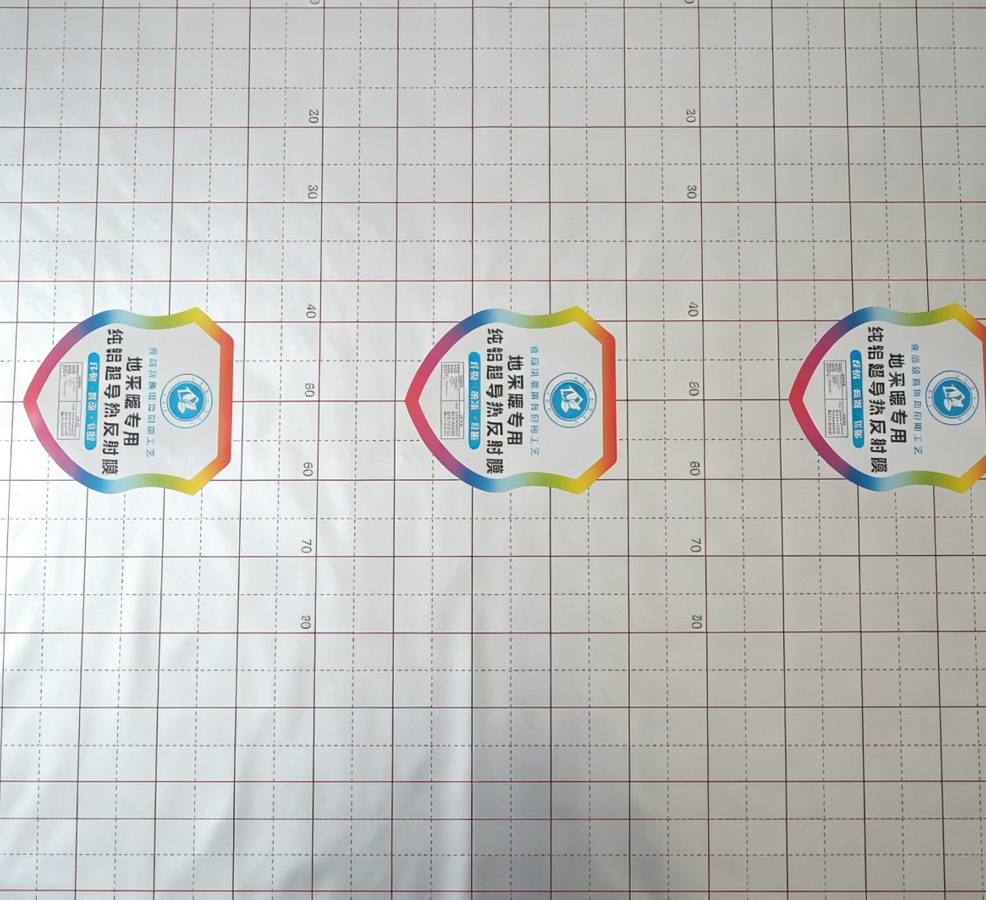
Reflective insulation films operate on fundamentally different principles than mass-based foam products, utilizing highly reflective aluminum surfaces to redirect infrared radiation rather than relying solely on thermal resistance through low-conductivity materials. When installed with appropriate air gaps, reflective systems can achieve effective thermal resistance values substantially exceeding those of equivalent thickness foam products, particularly in summer cooling scenarios where downward heat flow prevention remains important. The extremely thin profile of reflective films, typically less than fifteen millimeters total thickness, proves invaluable in retrofit applications where existing floor heights restrict available space for introducing insulation. Quality reflective films from established manufacturers maintain their reflective performance over decades of service when properly installed, providing sustained thermal efficiency without the gradual degradation affecting some competing products.
Combined Insulation Systems
Many contemporary underfloor heating installations utilize combined approaches that layer different insulation types to capture advantages across multiple performance dimensions. A typical configuration might feature XPS or EPS boards providing the primary thermal resistance and structural support, with a reflective film layer applied over the foam surface to maximize thermal reflection efficiency. This combination delivers higher overall thermal performance than either component alone while maintaining the load-bearing capacity necessary for floor construction. Other common combinations include integrated mushroom board systems with pre-attached reflective layers, and foam boards with factory-applied aluminum facings that combine installation convenience with enhanced thermal performance. Working with knowledgeable manufacturers and suppliers helps ensure component compatibility and optimal assembly design for specific project requirements.
Conclusion
The diversity of insulation materials available for underfloor heating applications provides flexibility to match system specifications precisely to project requirements across all building types and construction scenarios. Understanding the distinct characteristics of each material category empowers decision-makers to balance performance, cost, durability, and practical considerations effectively. Professional suppliers and experienced contractors provide invaluable guidance for navigating insulation selection in projects with complex or challenging requirements.
References:
Thermal Insulation Manufacturers Association. (2024). Technical Data Handbook: Foam Plastic Insulation Products. TIMA Product Standards
ASTM International. (2023). ASTM C578: Standard Specification for Rigid, Cellular Polystyrene Thermal Insulation. ASTM Standards Collection
National Research Council Canada. (2023). Evaluation Guide: Thermal Insulation for Floor Heating Systems. NRC Construction Innovation Reports