

Benefits of Reflective Insulation Film for Underfloor Heating Systems
Reflective insulation film has emerged as one of the most versatile and efficient solutions available for underfloor heating applications across residential, commercial, and industrial building projects. This specialized material combines lightweight construction with exceptional thermal performance, offering property developers and homeowners an accessible way to enhance the efficiency of their radiant heating infrastructure. The unique physical properties of reflective films, which utilize highly emissive metallic surfaces to redirect infrared radiation, make them particularly well-suited for underfloor heating contexts where space constraints and performance requirements must both be satisfied. Understanding the specific advantages that reflective insulation films provide helps construction professionals and building owners make informed procurement decisions that balance initial costs against long-term operational benefits.
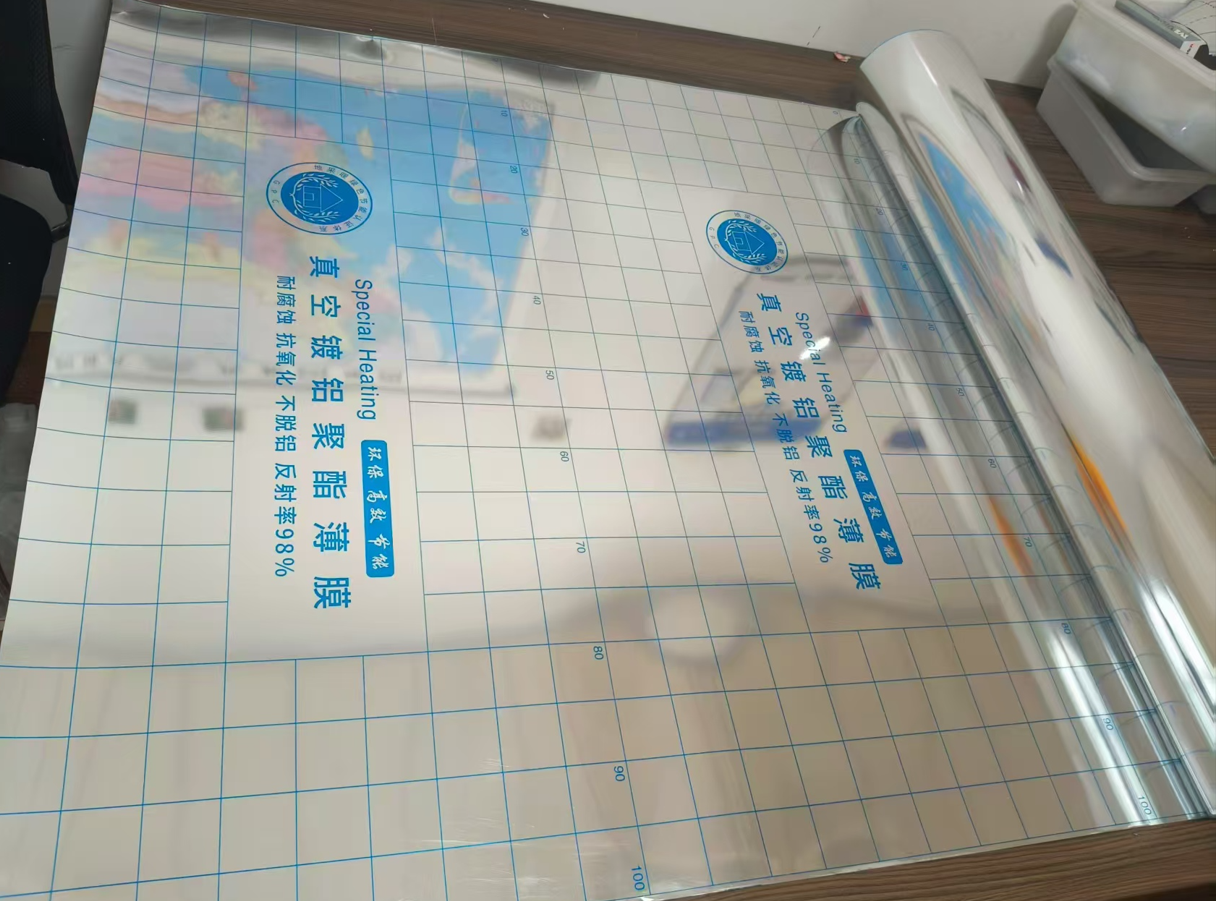 rmance
The fundamental operating principle of reflective insulation film relies on its ability to reflect thermal radiation rather than absorb it, distinguishing this material category from conventional mass-based insulation products. When installed beneath underfloor heating pipes or electric heating elements, reflective films bounce infrared heat energy back toward the floor surface, ensuring that generated warmth enters the occupied space rather than dissipating into the building structure below. This mechanism proves especially effective in underfloor heating scenarios because radiant heat represents the primary transfer method, making thermal reflection a direct and highly efficient optimization strategy. Laboratory testing demonstrates that quality reflective films with properly maintained aluminum surfaces achieve thermal reflection efficiencies exceeding ninety percent under standard conditions.
Minimal Installation Thickness
Unlike bulk insulation materials that require substantial thickness to achieve adequate thermal resistance, reflective insulation films deliver comparable or superior performance while adding minimal elevation to the floor structure. This characteristic proves invaluable in renovation projects where existing floor heights constrain available space for introducing new insulation layers without requiring extensive reconstruction work. The thin profile of reflective films, typically ranging from three millimeters to fifteen millimeters depending on the specific product configuration, allows installation within standard floor build-ups without triggering door clearance issues or staircase modifications. For property owners seeking to upgrade heating efficiency without undertaking major structural alterations, reflective film provides an elegant practical solution.
Moisture and Vapor Resistance
Quality reflective insulation films incorporate inherent moisture barrier properties that protect underlying building structures from humidity penetration and condensation accumulation. The polyethylene core materials used in most manufactured reflective films resist water absorption, preventing the degradation of thermal performance that affects some fibrous insulation products when exposed to moisture over extended periods. This moisture resistance proves particularly beneficial in ground-floor applications where damp conditions beneath concrete slabs or within crawl spaces create ongoing humidity challenges for conventional insulation materials. Building envelopes equipped with reflective film underfloor insulation maintain consistent thermal performance regardless of seasonal moisture fluctuations in the surrounding environment.
Long-Term Durability and Stability
Reflective insulation films manufactured by established producers demonstrate excellent long-term dimensional stability and performance retention when properly installed according to manufacturer guidelines. Unlike some organic insulation materials that settle, compress, or degrade over years of service, properly specified reflective films maintain their original thickness and thermal reflection efficiency throughout typical building lifecycles. The metallic reflective surfaces, when protected by appropriate coatings or sandwiched between stable substrate layers, resist corrosion and oxidation that might otherwise diminish their radiation-reflecting capabilities over time. This durability translates into sustained energy efficiency benefits for building operators who can rely on consistent thermal performance without concern for progressive insulation degradation.
Cost-Effective Solution for Various Applications
From a total installed cost perspective, reflective insulation films offer compelling value propositions for projects across all scales and budget categories. The lightweight nature of these products reduces transportation expenses and simplifies handling during installation, contributing to lower labor costs compared to heavy alternative insulation materials. Combined with their effective thermal performance, reflective films typically deliver shorter payback periods measured through energy savings than many competing insulation solutions. Manufacturers and suppliers increasingly offer comprehensive product lines addressing different performance requirements, allowing purchasers to select appropriately specified films for their specific application contexts without paying premium prices for unnecessary performance capabilities.
Conclusion
Reflective insulation film represents a technically sophisticated and practically proven solution for enhancing underfloor heating system efficiency across diverse building types and construction scenarios. The combination of effective thermal reflection, minimal space requirements, moisture resistance, long-term durability, and cost competitiveness positions reflective films as preferred choices for many residential and commercial heating projects. Working with experienced insulation manufacturers or suppliers helps ensure selection of appropriately specified products that deliver intended performance benefits throughout their service life.
References:
National Insulation Association. (2024). Reflective Insulation: Technical Overview and Application Guide. NIA Publications
Canadian Construction Materials Centre. (2023). Evaluation Criteria for Reflective Thermal Insulation Products. CCMC Technical Guide
International Association of Home Inspection. (2023). Underfloor Heating System Components: Standards and Best Practices. IAHI Technical Documentation