

What Is Underfloor Heating Insulation and Why Your Building Needs It
Underfloor heating insulation represents one of the most effective approaches to achieving comfortable indoor temperatures while maintaining exceptional energy efficiency. As building standards continue to evolve and energy costs rise, property owners and construction professionals increasingly recognize that proper insulation beneath heated floors serves as the foundation of any high-performance heating system. Without adequate insulation, even the most advanced underfloor heating networks lose significant thermal energy downward into the subfloor, wasting both money and natural resources. Understanding the principles behind underfloor heating insulation empowers homeowners, architects, and contractors to make informed decisions that deliver lasting comfort and financial savings throughout the lifecycle of a building.
The Science Behind Underfloor Heating Insulation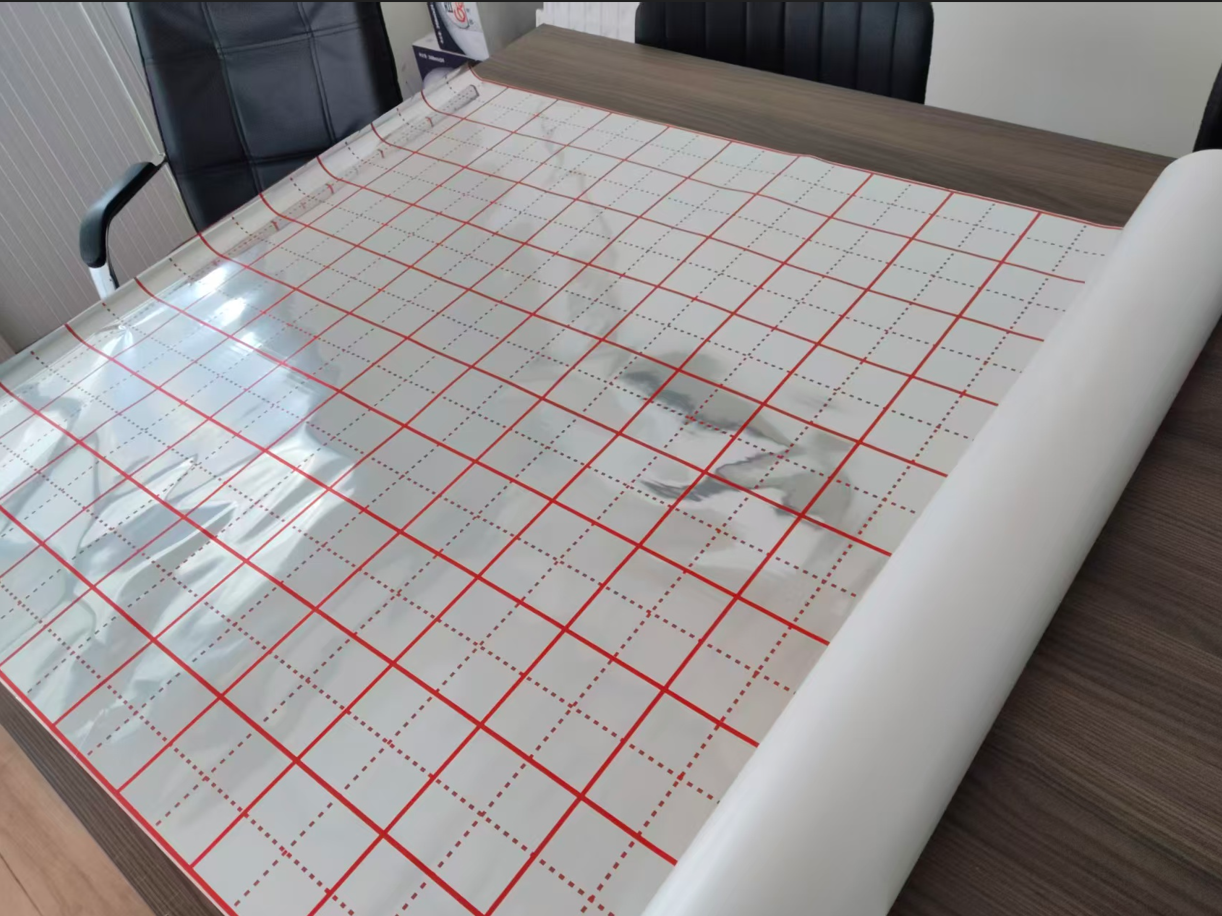
When radiant heating systems operate beneath floor surfaces, heat naturally flows in all directions following the laws of thermodynamics. Without a properly engineered insulation barrier, a substantial portion of this generated heat escapes downward into concrete slabs, soil, or crawl spaces rather than rising into the occupied living or working space above. This downward heat loss dramatically reduces system efficiency, forcing heating equipment to work harder and consume more energy to achieve the same level of comfort. Underfloor heating insulation materials function by creating a thermal barrier that redirects heat flow upward toward the living space, maximizing the proportion of energy that actually warms the building interior. High-quality insulation products typically feature low thermal conductivity values, often measured below 0.035 W/(m·K), which indicates superior ability to resist heat transfer and maintain consistent temperatures across the floor surface.
Key Benefits of Installing Proper Floor Heating Insulation
The advantages of investing in quality underfloor heating insulation extend across multiple dimensions including financial performance, environmental impact, and occupant comfort. Properties equipped with properly insulated underfloor heating systems typically achieve energy savings ranging from twenty to forty percent compared to inadequately insulated equivalents, translating directly into reduced monthly utility expenditures that compound significantly over years of operation. From an environmental perspective, decreased energy consumption means lower carbon emissions, supporting broader sustainability objectives that many organizations and communities now prioritize as essential rather than optional. Occupants benefit from more consistent room temperatures without the cold spots and drafts commonly associated with conventional forced-air heating systems, creating interior environments that promote health, productivity, and overall wellbeing.
Common Insulation Materials Used in Underfloor Heating Applications
Manufacturers and suppliers offer several distinct categories of insulation materials suited for different installation scenarios and performance requirements. Reflective insulation films, often featuring aluminum coatings bonded to polyethylene foam cores, provide excellent thermal reflection while remaining thin enough to accommodate height-constrained floor constructions without significant elevation changes. Expanded polystyrene boards deliver robust compressive strength alongside effective thermal resistance, making them particularly appropriate for areas where floors must support heavy furniture or equipment loads. Combination systems that layer reflective films over rigid foam boards offer the advantages of both approaches, creating comprehensive thermal barriers that address multiple heat transfer mechanisms simultaneously.
Installation Best Practices for Maximum Performance
Even premium insulation materials deliver suboptimal results when installed incorrectly or without attention to critical details throughout the construction process. Insulation boards must be fitted tightly together without gaps, as even small discontinuities create thermal bridges that permit heat escape and reduce overall system effectiveness. All joints and edges should be sealed using appropriate aluminum tape or compatible adhesive products specifically designed for high-temperature applications near heating elements. When installing reflective films, ensuring the reflective surface faces the heat source maximizes thermal reflection efficiency and prevents degradation of the metallic coating over time.
Selecting the Right Insulation for Your Project
Choosing appropriate underfloor heating insulation requires careful evaluation of factors including building structure, floor covering type, heating system specifications, and budget constraints. New construction projects generally allow greater flexibility in insulation thickness and material selection compared to retrofit situations where existing floor heights may restrict available space. Properties with concrete subfloors benefit from higher-density insulation panels capable of withstanding substantial loads without compression, while wooden floor constructions may perform better with lighter-weight solutions that do not overstress structural members. Consulting with experienced manufacturers or suppliers helps ensure selected products match specific project requirements and achieve intended performance outcomes.
Conclusion
Underfloor heating insulation constitutes an essential component of any efficient radiant heating system, working silently beneath floors to maximize warmth delivery while minimizing energy waste. Property owners who invest in quality insulation materials and proper installation practices position themselves to enjoy comfortable indoor environments alongside significantly reduced operating costs throughout the heating season. As energy awareness continues growing among consumers and regulatory bodies alike, proper underfloor heating insulation transforms from optional enhancement into fundamental requirement for responsible building design and renovation.
References:
Energy Saving Trust. (2024). Underfloor Heating: How It Works and Benefits. Retrieved from energysavingtrust.org.uk
BSRIA Limited. (2023). Guide to Underfloor Heating Systems and Installation. BSRIA Publications, Bracknell, UK
European Insulation Manufacturers Association. (2023). Thermal Insulation for Buildings: Best Practice Guidelines. Eurima Technical Documentation