

Understanding Perimeter Expansion Strips for Floor Heating
Run a heated floor through a full winter and the slab grows. Without a planned place for that growth to go, it pushes against walls, lifts skirtings, and cracks the finish at the edges where the eye notices first. The perimeter expansion strip is that planned place. It is a humble roll of foam with a flange, yet leaving it out is one of the most expensive shortcuts in the trade. This guide covers what it does and how to specify it well.
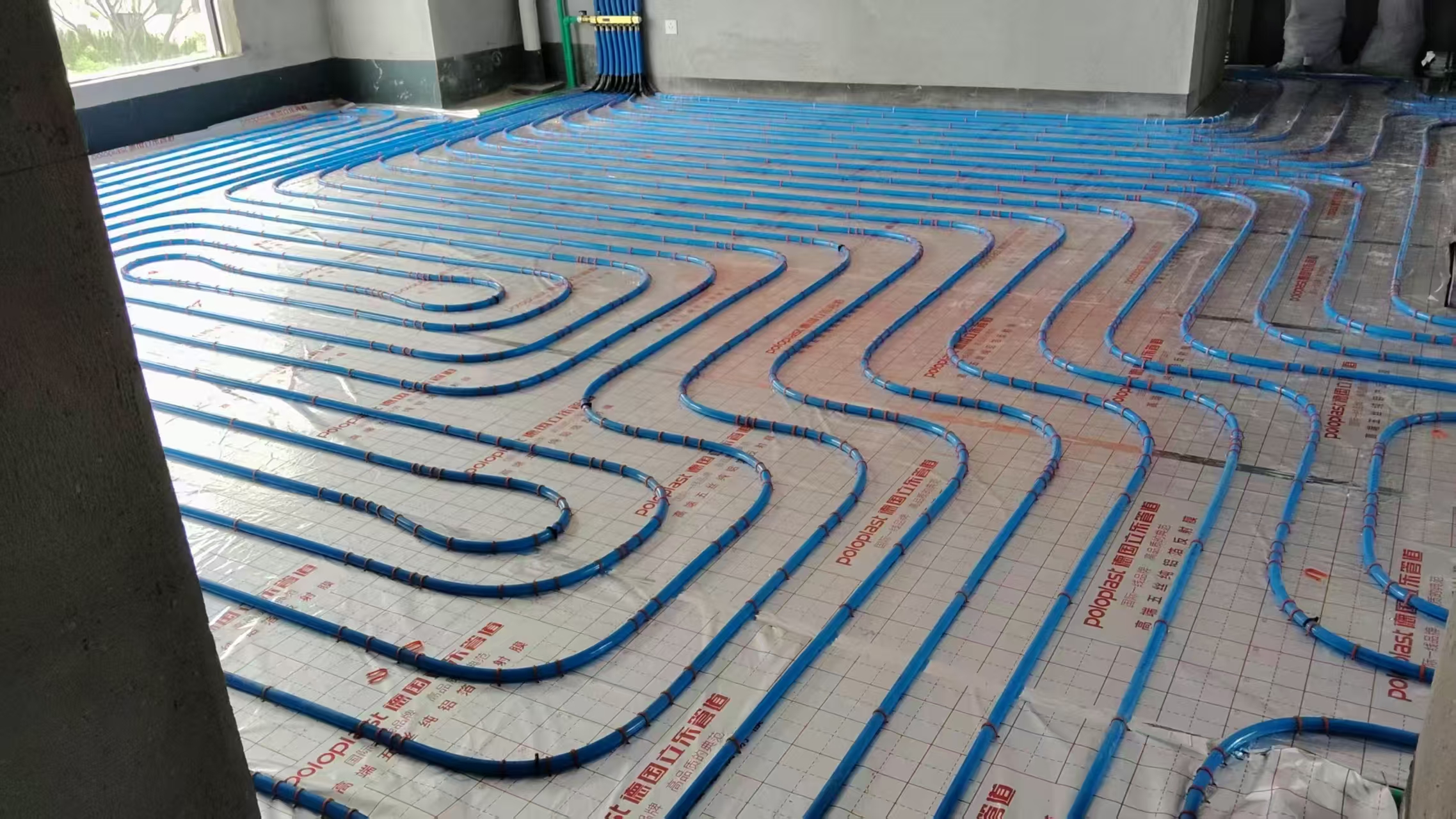
What the strip actually does
The strip sits at the junction of floor and wall, compressed slightly so it can both absorb expansion and break the thermal bridge that would otherwise carry heat straight into the wall. The foam takes the movement; the integral flap, often a thin polythene or foil skirt, tucks into the screed to keep grout and moisture away from the wall line. A manufacturer that bonds the flap cleanly to the foam, rather than taping it on, produces a strip that survives handling on a busy site.
Stopping the thermal bridge at the edge
Heat loves a shortcut, and the wall is a good one. Where the screed touches the wall with no break, warmth wicks up the masonry and out through the building envelope, quietly raising the heating bill. The expansion strip's insulated body inserts that break exactly where it matters most, at the perimeter where the largest continuous contact occurs. Distributors quoting energy-conscious clients should flag this, because the strip is the cheapest insulation metre-for-metre in the whole system.
Thickness and compression rating
Strips come in several thicknesses, commonly around 5 mm to 10 mm of closed-cell foam, and the right choice follows the slab depth and expected movement. Too thin and it bottoms out under expansion; too thick and it leaves an ugly gap the finish has to hide. Ask the manufacturer for the compression set and the recovery rate, because a strip that stays crushed after one warm cycle has done its job only halfway. A factory holding those figures steady gives the specifier a number to put on the drawing.
Installing it without the usual mistakes
Fit the strip before the screed, flange turned into the room and pinned or taped to the wall so it stays put. Run it around every perimeter and any fixed obstruction the slab meets, and overlap corners rather than butting them. The classic error is cutting the strip flush with the finished floor too early, which reopens the joint; the correct method is to trim after the screed cures. A supplier that prints this sequence on the roll saves a distributor a stream of avoidable complaints.
Where expansions strips still fall short
Large open floors need internal movement joints as well as perimeter ones, because no edge strip can absorb the movement of a slab tens of metres across. The perimeter product is necessary but not sufficient on big areas, and a good manufacturer will say so rather than imply one roll solves everything. Distributors serving warehouses and retail fit-outs should stock the internal joint profile too, so the advice and the parts arrive together.
Sourcing from a manufacturer with range
The strip looks generic, but the difference between a strip that lies flat and one that curls in the carton is the tooling and the foam grade. Buying direct from a manufacturer with export qualification lets a distributor set roll length, flap type, and thickness for the local market, and keeps the product identical across reorders. For contractors, that consistency means the strip behaves the same on the tenth job as on the first, which is the quiet foundation of a reliable subfloor trade.
What follows when the strip is skipped
The failure mode is predictable: a floor laid without a perimeter break first feels fine, then as it warms the slab presses on the wall, skirtings bow, and fine cracks appear at the edges where the finish meets the plaster. By then the floor is closed and the fix is disruptive. The strip that would have prevented all of it costs pence per metre. A supplier who shows customers this before-and-after sequence does more for repeat business than any discount, because the lesson sticks the first time a competitor's floor fails that way.
Roll length and ordering discipline
Order the strip by total perimeter plus openings, with allowance for corners that overlap rather than meet. Running short on site tempts the crew to stretch the last piece, which defeats the compression the product relies on. A distributor who bundles the strip with the film and the tape, as a complete edge kit, removes that risk and lifts the average order value at the same time. Manufacturers that print metres-per-roll clearly let the buyer maths happen at the desk, not on the knee in a cold hallway.
References
1. British Standards Institution - BS 8204: Screeds, bases and in-situ floorings, 2022.
2. British Standards Institution - BS EN 1264: Water-based surface embedded heating and cooling systems, 2021.
3. The Concrete Society - Technical Report 34: Concrete industrial ground floors, 2022.