

The Role of Aluminum Foil Tape in Radiant Floor Installations
Aluminum foil tape rarely gets the headline in an underfloor heating specification, yet crews reach for it on nearly every job. It seals, it repairs, it bridges, and it keeps a reflective layer behaving like the continuous barrier it was meant to be. Treating it as an afterthought is a false economy, because the gaps it closes are exactly where heat and moisture slip through. This article looks at where the tape earns its place.
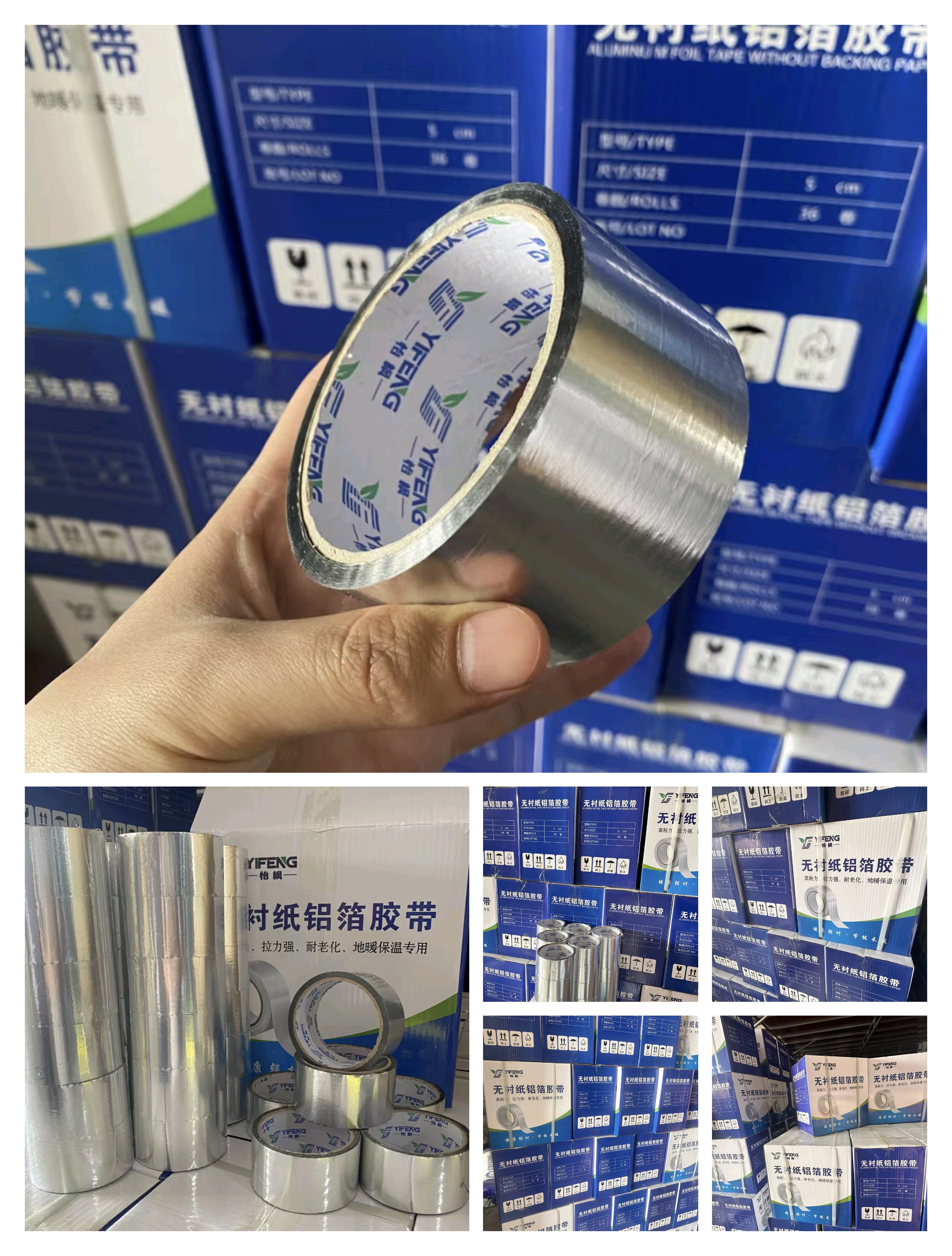
Sealing reflective film joints
Reflective film only works as a continuous surface. Where two sheets meet, a gap lets radiant heat dive through to the subfloor and breaks the envelope the designer intended. Foil tape laid along the overlap restores that continuity and, because it shares the metalised character of the film, keeps the surface emissivity low at the seam. A supplier that bundles tape with film spares the installer a separate trip and ensures the tape actually matches the film rather than a generic roll that will not adhere to a dusty polyethylene back.
Repairing tears before the pour
Sites are rough on thin barriers. A boot, a dropped tool, or a sharp pipe end can open a slit that no one notices until the screed is in. Foil tape makes a field repair that restores the reflective path without relaying the sheet. The fix holds through the pour and the service life, provided the tape carries a credible adhesive rated for the substrate. Manufacturers that publish the service temperature of the adhesive give installers the confidence to repair rather than rip up and start again.
Bridging perimeter and edge insulation
Where the reflective layer turns up at the wall to meet the perimeter expansion strip, a continuous foil bridge ties the two together so heat cannot leak along the joint. The tape also tames the small gaps where board edges meet, which is where draughts and condensation otherwise start. A distributor who explains this use sells more tape per job and fewer callbacks, because the floor behaves as one sealed system instead of a patchwork of good intentions.
Adhesion and temperature limits
Not all foil tapes stick to everything. The adhesive must cope with concrete dust, slight damp, and floor-warming temperatures without lifting. Acrylic and solvent-based adhesives each have their place; the wrong one curls at the first warm-up and defeats the seal. Ask the manufacturer for the rated temperature range and the peel strength, and match the roll to the job rather than to whatever sits on the shelf. A factory running controlled coating lines holds that performance steady, which a trader reselling mixed stock cannot promise.
Width, thickness, and handling
Tape comes in widths from about 48 mm up to 100 mm and in several foil thicknesses. Wider rolls close big overlaps faster but are clumsier in tight corners; thinner foil conforms better around studs and pipe bends. Crews develop a preference, and a supply partner stocking two or three widths keeps everyone happy without bloating inventory. Store rolls flat and cool, because a roll that has taken a set will not unroll straight on site and wastes more time than the saving was worth.
Why buy tape from the same manufacturer
When the film, the board, and the tape come from one factory, the chemistries are designed to work together and the colour coding helps the foreman confirm the right part is in the right hand. For a distributor building a coherent radiant-floor kit, that single-source logic turns a loose collection of items into a system customers trust. It also means one batch record covers the lot, which simplifies the traceability specifiers now ask for on commercial work.
When tape is the wrong answer
Tape is not a cure for a badly laid film. If the sheets themselves overlap the wrong way or sit on a wet, dusty slab, no roll will hold the seal through a pour. Crews sometimes reach for foil tape to cover a gap that should have been a re-lay, and the result fails once the floor warms. A supplier who tells customers when not to use the product builds more trust than one who sells tape for every problem. The honest guidance, that tape complements a correct installation rather than rescuing a poor one, is what keeps the recommendation credible with serious contractors who have been burned before.
Roll length and job planning
Estimate tape by the perimeter and the number of sheet joints rather than by guess, because running out mid-pour means a trip that costs more than the roll. A typical room needs the perimeter length plus roughly one strip per sheet overlap, and a distributor who prints a simple coverage guide on the carton helps the buyer order the right count first time. Buying in consistent roll lengths from a manufacturer also means the offcuts are predictable, so a contractor can plan the next small job from the leftover rather than opening a fresh roll for a few metres.
References
1. British Standards Institution - BS EN 1264: Water-based surface embedded heating and cooling systems, 2021.
2. ASHRAE - ASHRAE Handbook: HVAC Systems and Equipment, 2020.
3. Chartered Institution of Building Services Engineers (CIBSE) - CIBSE Guide A: Environmental design, 2021.